Protecting your money: Fraud and scam awareness
Helping you keep your super and investments secure
What are you looking for?

Client Services: 1800 517 124

Helping you keep your super and investments secure
You work hard to build your super and investments savings over many years. So, it's important every measure is taken to protect it. Especially today, as scams are more sophisticated and harder to spot. Learn about common super and investment scams, how you can spot the warning signs, and how to protect yourself and the people you care about.
Take action now.
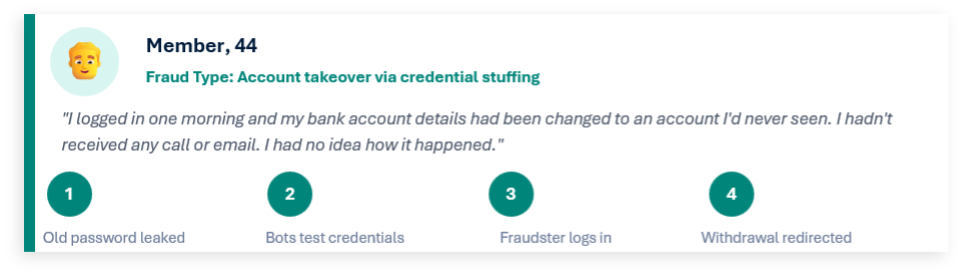
Account Fraud happens when someone accesses your account without your permission, often without you knowing. The person may work alone, and use stolen login details or personal information that was exposed in a data breach.
This type of fraud usually happens behind the scenes, so you may not realise it’s happened. Common examples include:
Example: Fraud often happens without your knowledge – criminals act in the background using stolen details.
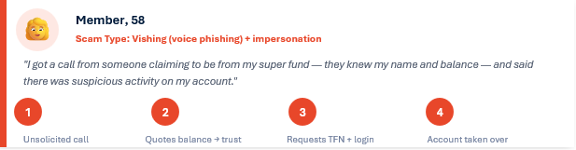
A scam is when someone tricks you into doing something, like sharing your login details, transferring your super, or moving your money into a fake self-managed super fund (SMSF). Scammers use pressure, fake stories, and other tricks to gain your trust and manipulate you into getting what they want.
Be aware of these common scams:
Example: Scammers often follow a pattern. Here’s a real example showing how a phone scam can escalate.
Real-world examples: how fraud and scams happen
These case studies are based on real situations that most commonly affect our members. They show how fraud and scams can happen and the warning signs to look out for.
What happened
What happened next
How to protect yourself
What happened
What happened next
How to protect yourself
How we will contact you
MLC Expand may contact you about your account using secure and verified communication channels.
We will never:
Please note: We will never ask you to provide a one-time code to access your online account. However, we may send a verification code to your registered mobile number as part of our identity verification process and ask you to confirm that code with us.
If you receive a communication claiming to be from MLC Expand and are unsure whether it is genuine, end the interaction and contact us using the number published on our website.
What happened
What happened next
How to protect yourself
What happened
What happened next
How to protect yourself
What happened
What happened next
How to protect yourself
What happened
What happened next
How to protect yourself
What happened
John was looking for ways to improve his financial knowledge and enrolled in an online investment trading course. Shortly afterwards, he began receiving unsolicited contact from individuals claiming to represent legitimate investment organisations and offering assistance to grow his wealth.
One of these parties advised that a substantial payment of approximately USD $32,000 was available to be transferred to him as part of an investment opportunity. The representatives appeared professional and persuasive, and continued to engage with him through various communication channels.
As discussions progressed, several warning signs emerged. The investment platform involved appeared questionable, the explanations provided were unclear, and the promises being made seemed too good to be true.
What happened next
Before taking any further action, the member contacted us to discuss the situation.
After reviewing the information provided, we encouraged the member to:
The member followed this advice and ceased all contact with the parties involved. After obtaining independent advice, they decided not to proceed with the investment opportunity.
The outcome
Because the member took the time to seek advice and verify the situation before acting, they avoided potentially significant financial loss.
By recognising the warning signs and consulting trusted sources, the member was able to protect both their money and personal information.
Red flags to watch for
Key takeaway
Scammers often rely on urgency, trust and promises of easy financial gains. Taking a moment to pause, verify information independently and seek professional advice can help you avoid becoming a victim of an investment scam.
What happened
What happened next
How to protect yourself
What happened
What happened next
How to protect yourself
How we will contact you
MLC Expand may contact you about your account using secure and verified communication channels.
We will never:
Please note: We will never ask you to provide a one-time code to access your online account. However, we may send a verification code to your registered mobile number as part of our identity verification process and ask you to confirm that code with us.
If you receive a communication claiming to be from MLC Expand and are unsure whether it is genuine, end the interaction and contact us using the number published on our website.
What happened
What happened next
How to protect yourself
What happened
What happened next
How to protect yourself
What happened
What happened next
How to protect yourself
What happened
What happened next
How to protect yourself
What happened
John was looking for ways to improve his financial knowledge and enrolled in an online investment trading course. Shortly afterwards, he began receiving unsolicited contact from individuals claiming to represent legitimate investment organisations and offering assistance to grow his wealth.
One of these parties advised that a substantial payment of approximately USD $32,000 was available to be transferred to him as part of an investment opportunity. The representatives appeared professional and persuasive, and continued to engage with him through various communication channels.
As discussions progressed, several warning signs emerged. The investment platform involved appeared questionable, the explanations provided were unclear, and the promises being made seemed too good to be true.
What happened next
Before taking any further action, the member contacted us to discuss the situation.
After reviewing the information provided, we encouraged the member to:
The member followed this advice and ceased all contact with the parties involved. After obtaining independent advice, they decided not to proceed with the investment opportunity.
The outcome
Because the member took the time to seek advice and verify the situation before acting, they avoided potentially significant financial loss.
By recognising the warning signs and consulting trusted sources, the member was able to protect both their money and personal information.
Red flags to watch for
Key takeaway
Scammers often rely on urgency, trust and promises of easy financial gains. Taking a moment to pause, verify information independently and seek professional advice can help you avoid becoming a victim of an investment scam.
What to do if you think you’ve been a victim of fraud or scam
If you think you've been targeted by a scam, it’s important to act quickly. Scams can happen to anyone, and the information below explains what to do next. take these steps right away.
Reporting and support:
(If money has been lost, contact your bank immediately)
Where to get more help
If you’re looking for extra support or advice, these organisations offer free and independent help.
Help for people whose personal identity information has been stolen or exposed.
Guidance on scams, super and protecting your money.
Information about current scams and how to report them.
Australian Cyber Security Centre (ACSC)
Advice on cyber threats, malware and securing your devices.
Office of the Australian Information Commissioner (OAIC)
Information on data breaches, privacy rights and complaints.
Australian Taxation Office (ATO)
Support and warnings about superannuation and SMSF scams.
Protecting your super and investment online
Learn more
Think you may be facing a scam or have been a victim of fraud?
If you think you've been targeted by a scam or have experienced fraud, call us on 1800 813 779 between 8am and 8pm AEST/AEDT, Monday to Friday or email clientservices@myexpand.com.au.
